
Dishwasher Pod Not Dissolving (Toronto Homeowners' Guide)
Why Dishwasher Pods Sometimes Don’t Dissolve
Dishwasher detergent has been used for decades in modern dishwashers to help your dishwasher clean dishes thoroughly. In some cases, when a dishwasher is failing, the detergent pod may not dissolve, leaving the job undone. Let’s go over the most common reasons your dishwasher pod might not be dissolving and what you can do about it at your Toronto home. Dishwasher pods are designed to break down completely once hit with high pressure from hot water.
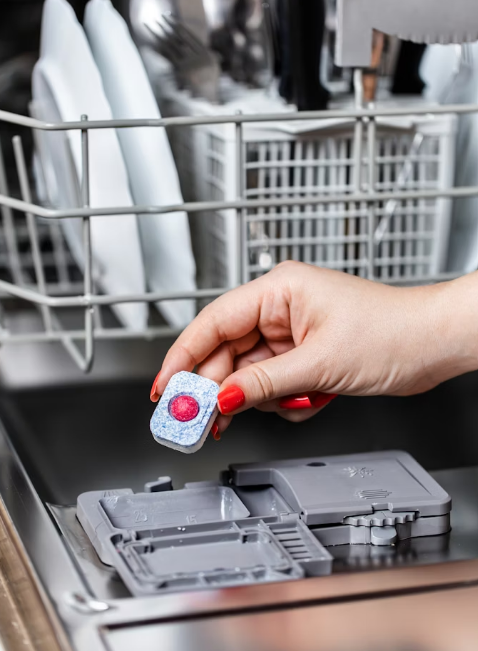
Here are the main reasons our technicians see in Toronto homes:
Water doesn't get hot enough
A broken circulation pump
A clogged spray arm
Insufficient water supply
A broken detergent dispenser door that won't open
A blocked dispenser door (caused by the user)
Electronic or control board malfunction (not very common)
Let’s go through each of these in more detail.
Step 1: Insufficient Water Temperature
If the water inside your dishwasher isn't hot enough (either due to an issue with the water supply or a faulty heater struggling to keep the water inside the dishwasher hot enough), the pod won't dissolve properly. It might stay solid or partially melted, leaving detergent on your dishes.
Try this:
Run the hot water at your sink for 30 seconds before starting the dishwasher.
Check that your water heater is set to at least 120°F (49°C).
Open the door mid-cycle, carefully, to see if the water feels hot.
If the water is cool, the heating element in your dishwasher might not be working. This is a simple repair that our Toronto team can handle quickly.
Step 2: Malfunctioning Circulation Pump
The circulation pump pushes water through the spray arms. When it’s weak or not working properly, the water pressure drops, and your pod won’t fully dissolve.
What to look for:
A humming sound with little or no water movement
Dishes coming out dirty even after cleaning the filters
If that sounds familiar, your circulation pump may need to be replaced.
Step 3: Clogged or Obstructed Spray Arms
Spray arms help distribute water evenly throughout the dishwasher. If they’re clogged with food debris or hard water buildup, the pod won’t get hit with enough water to dissolve.
What to do:
Remove the spray arms and rinse them under warm water.
Use a toothpick or small brush to clean out each nozzle hole.
Toronto's hard water often causes mineral buildup, so it's a good idea to clean your spray arms every few months to keep them running efficiently.
Step 4: Low Water Supply or Faulty Fill Components
If the dishwasher isn’t filling with enough water, there simply won’t be enough to dissolve the pod.
What to check:
Listen at the start of the cycle. Do you hear water flowing into the tub?
Open the door after a few minutes. The water should reach just below the bottom spray arm.
If there isn't enough water, the problem may be with the water inlet valve or the water level switch. Both are common issues and can be fixed by a technician.
Step 5: Defective Detergent Dispenser Door
The detergent dispenser door releases the pod at just the right time in the wash cycle. If it doesn’t open properly, the pod stays trapped inside.
What to check:
Make sure large pans or cutting boards aren't blocking the dispenser.
Listen during the first 20 to 30 minutes of the cycle to see if the door opens.
If you don't hear a click, the latch or spring may be broken. Replacing the dispenser door is a simple and affordable repair.
Step 6: Detergent Dispenser Blockage
Sometimes, the problem isn’t with the door but with the dispenser itself. Residue or old detergent can build up and stop the pod from falling out or getting enough water to dissolve.
Try this:
Wipe out the dispenser using warm water and a bit of vinegar.
Let it dry completely before adding a new pod.
To prevent this in the future, avoid mixing rinse aid or liquid soap inside the detergent compartment.
Step 7: Electronic or Control Board Malfunction
This issue isn't as common, but it does occur. If your dishwasher's control board malfunctions, it can disrupt the wash cycle, preventing the dispenser from opening or the heating element from activating.
Try this:
Unplug the dishwasher or switch off the breaker for about 10 minutes to reset it.
If the same problem persists, note any flashing lights or error codes.
If you're experiencing consistent issues, our technicians can run a diagnostic test to determine whether the problem lies with the electronics or the cycle timing.
When to Call Best Appliance Repairs
If you’ve tried cleaning your filters, spray arms, and dispenser but your pods still won’t dissolve, it’s time to bring in a professional.
Call us if:
The pod remains whole after multiple cycles
Dishes are still dirty or cloudy after a full wash
The dishwasher sounds weak or doesn’t seem to fill properly
You suspect the water isn’t getting hot enough
We’ll figure out the cause and fix it the right way.
Why Toronto Homeowners Choose Us
We’re Best Appliance Repairs, a family-owned and operated business serving Toronto and Vaughan. Our team specializes in all major dishwasher brands, including Bosch, Whirlpool, KitchenAid, Samsung, and LG.
Here’s why people trust us:
Same-day dishwasher repair in Toronto
Certified and experienced technicians
Honest, upfront pricing with no surprises
Friendly, reliable service every time
We waive every service call with a repair
We’re proud to help homeowners keep their kitchens running smoothly.
Book Your Dishwasher Repair in Toronto
Don’t let the sink get too full with dirty dishes. Let's get your dishwasher back on track fast!
Call us today: 647-424-1316
Visit: bestrepairs.ca
Serving Toronto, Mississauga, Vaughan, Aurora, Markham, Newmarket, Scarborough, Etobicoke, Richmond Hill, North York, East York, Whitchurch-Stouffville, King City, Maple, Thornhill, Woodbridge, Unionville, Aurora and Bolton.